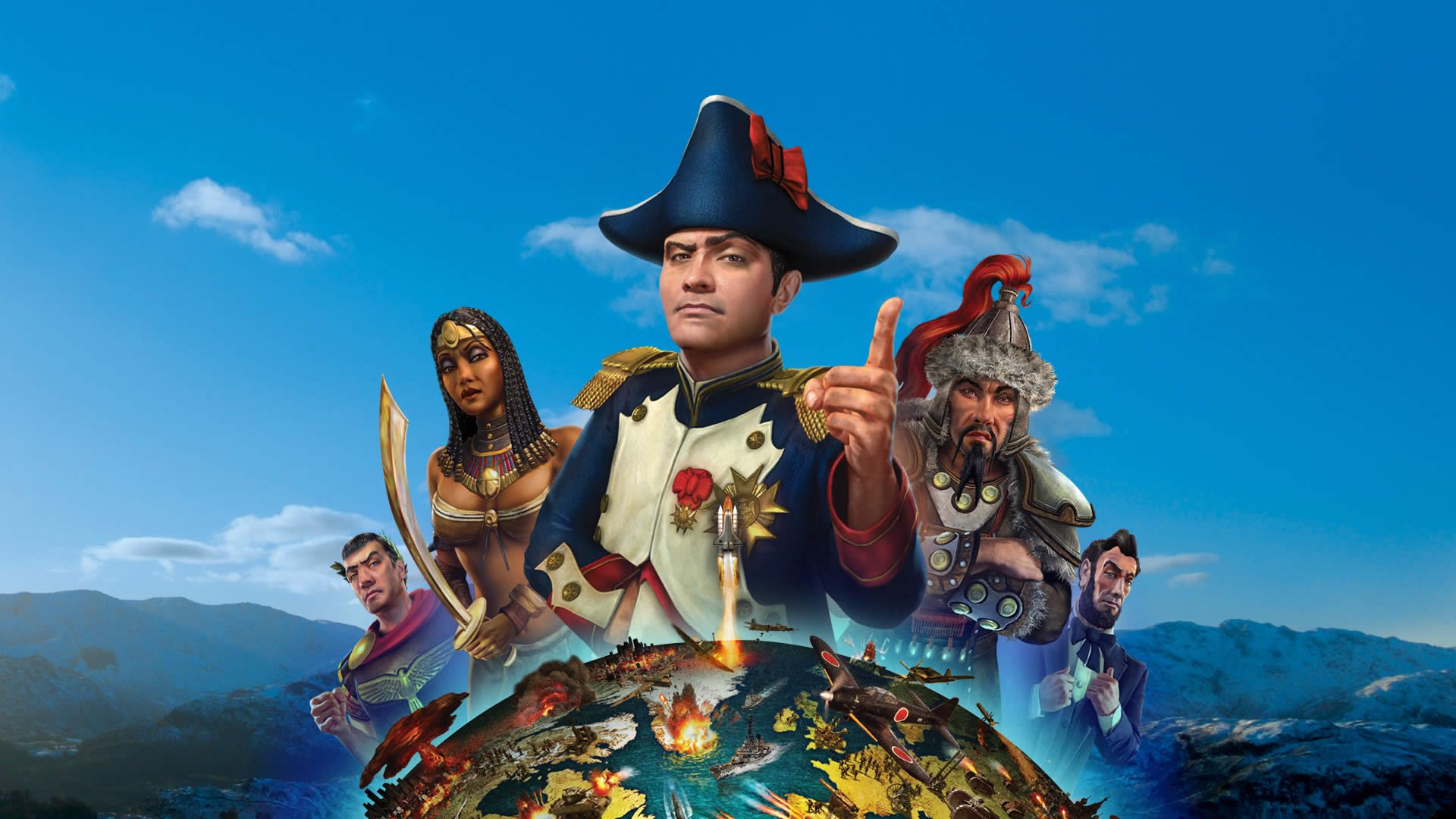
Civilization Revolution has a number of new features and certainly new takes on many already established gameplay elements of Civilizations past. One of my favorite features, however, are the relics that you can find in game.
There are six relics, always scattered randomly throughout the map, each with its own unique bonus if your civilization is the first to discover it. While not at all necessary to win the game, these relics do help give you a boost if you do find them. 200 extra gold in the early stages can fund a cultural boom, or an advanced military unit (like a knight or cannon) could roll through several enemy cities all by itself. And, of course, there's the personal challenge of sending out ships in all directions to try and claim all five of these before anyone else (I have not yet succeeded in doing this yet. If you ever do this, please write me and tell me how, and you will be my hero.)
Below shows concept artwork and final designs for these relics, and gives you a little more information about how each can help you dominate in the game.
Click on the images to enlarge.
The Ark of Covenant
Relic Bonus: Discovering the Ark of the Covenant will immediate create a Temple in every one of your cities that does not have one. Cities that already have Temples will immediately receive Cathedrals to replace their Temples! This is a great way to start a Cultural Victory!
More about the Ark of Covenant: According to legend, the original Ten Commandments, as dictated to Moses by God, were placed in a great chest that became known as the Ark of the Covenant. The Ark was said to have fantastic powers. In the battle at Jericho, the Ark was carried around the city for six days, while priests blew rams horns and shouted. On the seventh day, the impenetrable walls of Jericho simply collapsed, bringing immediate victory to the Ark's bearers.
According to the Bible, the Philistines, a tribe neighboring the Israelites, managed to steal the Ark of the Covenant. Yet when they placed it within their temple, their people grew ill and were afflicted with tumors until the Ark was returned to the Israelites.
Fun Fact: The Ark, after many journeys, is said to have finally come to rest within the Temple of Solomon in Jerusalem. What happened to the Ark when the Temple was destroyed by Nebuchadnezzar in 586 BC, no one knows. Some believe the Babylonian king took it with him back to Babylon, only to lose it shortly after, while others believe that it had been hidden in anticipation of the attack. Except in movies, the Ark remains lost to this day.
The Seven Cities of Gold
Relic Bonus: Discovering the Seven Cities of Gold will give an immediate and hefty Gold bonus to your treasury. Finding this Artifact is an excellent way to start off an Economic Victory!
More about the Seven Cities of Gold: The siren's song of wealth in the New World drew many adventurous and ambitious souls across the Atlantic. One particular draw was the tale of the Seven Cities of Gold. It was said that, with the Moorish conquerors riding in from the horizon in the eighth century, seven Spanish and Portuguese bishops gathered up the relics, gold and other wealth of the Church and fled to found seven new cities across the sea. This tale of immense wealth just over the horizon would fuel many a journey into the most barren and foreboding reaches of North America, all ending in failure.
Save yours.
Fun Fact: El Dorado was a mythic city of gold sought by the Spanish upon their arrival to the New World. Thought to be in the vicinity of modern Colombia, El Dorado was the driving force in the life of one man - Gonzalo de Quesada. The founder of the capital of Colombia, de Quesada did not govern the city, instead spending his life hunting for this mythic city of gold.
The Angkor Wat
Relic Bonus: Discovering Angkor Wat will immediately build a wonder in one of your cities!
More about the Angkor Wat: Angkor Wat stands as the culmination of the Khmer civilization and one of the greatest feats of religious and political architecture ever built. Located in modern Cambodia, this massive temple to the Hindu god Vishnu was constructed by Suryavarman II in the first half of the twelfth century. The walls of Angkor Wat are artistic masterpieces, bearing thousands of bas-reliefs of gods, myths and kings. So grand are the palace and the surrounding grounds that the whole of Vatican City could fit comfortably within its borders.
Fun Fact: A silhouette of Angkor Wat is visible on the Cambodian Flag.
The carvings of Angkor Wat vary greatly in subject. Some depict ancient tales from Hinduism, such as the god Vishnu churning a sea of milk. Others depict the temple's builder, Suryavarman II, in the comforts of his court.
The Lost City of Atlantis
Relic Bonus: Discovery of the Lost City of Atlantis Artifact will touch off a golden age of discovery in your Civilization. Your scientists will immediately complete the research on several new technologies! This is a great way to start off a Technological Victory.
More about the Lost City of Atlantis: The mythic lost continent, Atlantis has long fascinated the mystic and explorer alike with its tales of riches and idyllic life. Tales of this sunken city stem from an account written by Plato which mentions a great state that attempted to invade Athens only to sink below the sea. Since Plato's account, Atlantis has become a staple for myth fans and conspiracy junkies alike and divers continue to prowl the seas in hopes of discovering the land below the tides.
The island of Atlantis was said to be carved by Poseidon, the Greek god of the Seas, for the mother of his sons.
Fun Fact:Twenty Thousand Leagues under the Sea, published by science fiction writer Jules Verne in 1870, was a Victorian tale of undersea adventure. In the tale, the protagonists stumble upon the lost city of Atlantis. This story helped revive the ancient myth among the population of the nineteenth century.
The Knights Templar
Relic Bonus: Finding the bastion of the Knights Templar immediately grants its discoverer an immensely powerful unit. This is an excellent find for anyone looking to win a Conquest victory!
More about the Knights Templar: The Knights Templar were a military and religious organization founded in 1119 after the fall of Jerusalem to the Crusaders. Having captured the city, the Crusaders considered their job complete and left en masse for their homes, leaving Jerusalem undefended and surrounded by a really angry Arab Empire.
Rising to the defense of the city, a French knight, Hugues de Payens created an order of Knights dedicated to the protection of Christian interests in war and the protection of monastic virtues in peace. The Templars soon became the most powerful Christian organization in the Holy Land. However, they were unable to stave off the Muslims' advances forever, and with the loss of Jerusalem to the warriors of Saladin, the Templars would begin a slow decline in strength and popularity, culminating in their mass arrest by King Philip IV in 1307, who lusted after their legendary wealth.
Fun Fact: The Temple Mount, also known as the Dome of the Rock, was once the center of the Knights Templar's operations in Jerusalem.
The Knights Templar vowed to live lives of poverty. In the early days of the Order, they were forced to live on alms alone, yet as their numbers grew, so did their wealth. Before long, this previously destitute order grew to be one of the richest organizations in the Holy Land.
The School of Confucius
Relic Bonus: Stumbling across the School of Confucius immediately grants its discoverer access to a slew of Great People! There is no better way to start off a race towards a Cultural Victory!
More about the School of Confucius: One of the preeminent scholars of China, Confucius chronicled his beliefs and teachings in a number of books, the most well known of which is the Analects. This work of a mere nineteen chapters has influenced Chinese and world philosophy since roughly 200 BC. Emphasizing filial piety, humility, propriety and an honest life, the Analects became a central pillar of knowledge in the training of Chinese students and bureaucrats. In fact, nearly every official of the Chinese Emperor was expected to pass an examination that required them to quote directly from Confucius' works in order to receive a passing grade.
Sayings of Confucious:
"When anger rises, think of the consequences."
"Forget injuries, never forget kindnesses."
"The cautious seldom err."
"To go beyond is as wrong as to fall short."